
The biggest challenges on my way to financial independence

One of the things I’ve struggled with since discovering FIRE is that so much of the conversation seems to assume a level of income I’ve never had.
I regularly see people talking about saving 50%, 60%, or even 70% of their income. Good for them, honestly. If I were making six figures, I’d probably be saving a much larger percentage too. But that’s never been my reality. Until my current job, I had never made more than $20 an hour. Even now, a couple dollars more an hour, I don’t feel like I’m rolling in money. In fact, moving states for a higher-paying job was a good reminder that earning more doesn’t automatically solve everything. Taxes still exist (higher in some states than others). Rent still exists. Life still finds ways to spend your money before you do.
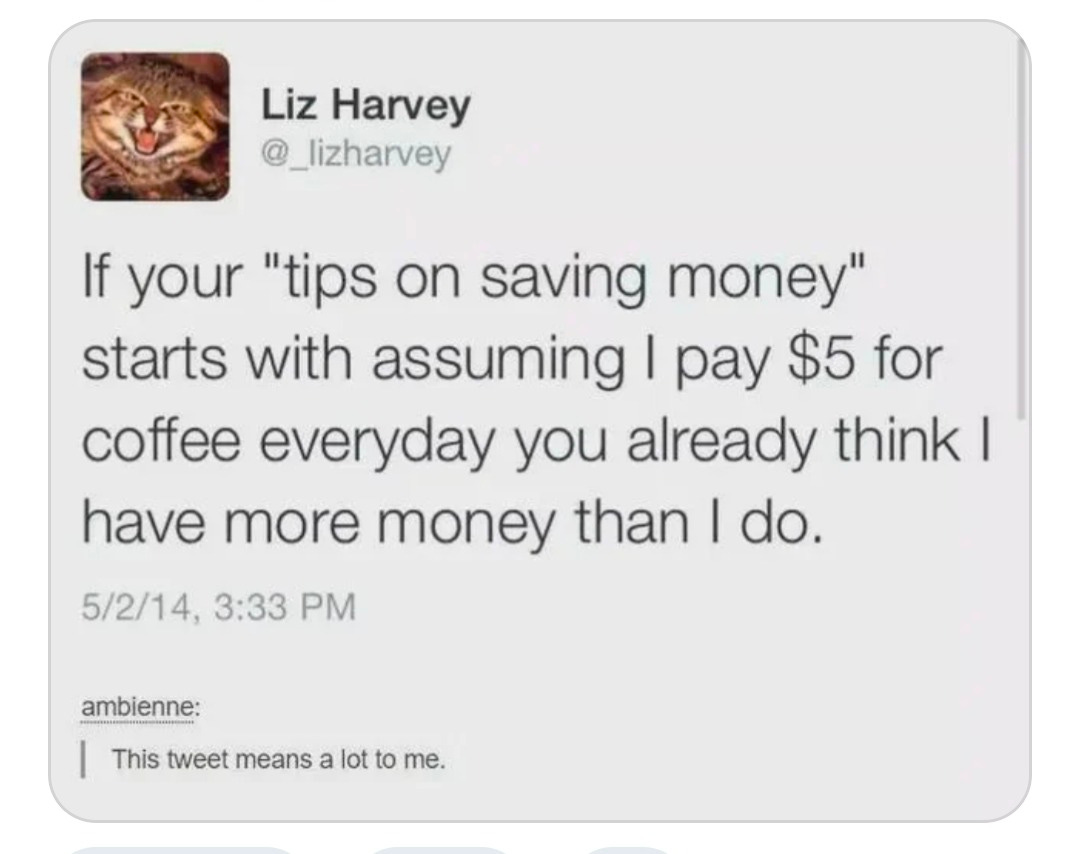
One of the biggest challenges in my FIRE journey is that I don’t have a lot of obvious places left to cut. I’ve lived pretty simply for a long time. I live in a tiny house because I genuinely like it, not because I’m trying to win some minimalist competition. I don’t have expensive tastes. Most of my hobbies are inexpensive. I don’t spend much money on clothes (shoutout to the great Goodwill near me), and I don’t have a garage full of toys or a house full of stuff. When people talk about cutting subscriptions, giving up daily lattes, or finding hidden spending leaks, I laugh because there aren’t any leaks left to find for me.
That’s probably why I get so excited when I manage to save an extra few hundred dollars in a month. For some people that might not sound like much, but for me it feels huge. It feels like proof that I’m moving in the right direction, even if I’m moving more slowly than many of the folks whose stories get shared online in the FI world. Sometimes I read FIRE content and wonder if I’m crazy for trying to do this at all. Saving enough for financial independence can feel too ambitious when you’re also just trying to make it in regular life.
But there isn’t really an option not to keep trying.
I need to support myself today, and I need to support myself tomorrow. I don’t want my future to depend on finding a partner. I don’t want it to depend on a perfect economy, a perfect employer, or a perfect run of good luck in the market. If pursuing FIRE on my income sounds difficult, the alternative sounds difficult too. Accepting that I’ll always be one emergency, one layoff, or one major life event away from financial disaster doesn’t feel like a better plan.
Being single adds another layer to all of this. I know there are plenty of financial challenges that come with relationships, and I’ve lived through enough to know that being part of a couple doesn’t automatically equal financial security. But it would be dishonest to pretend there aren’t advantages to having another person in your corner. When you’re the only income in the household, every bill belongs to you. If something goes wrong, you’re the backup plan. If you lose your job, there’s no second paycheck keeping things afloat while you figure out your next move. There are days when that reality sucks.
At the same time, my divorce taught me something important. A lot of people assume financial security comes from being part of a couple, but security that depends entirely on another person isn’t really security. It can disappear. Mine did. One of the reasons I’m pursuing financial independence now is because I never want to be in a position where my entire future depends on someone else’s decisions. That experience changed me permanently. Whatever kind of life I build from here, I want it to stand on its own.
Another challenge I don’t hear discussed as often is the mental side of all this. I know the textbook FIRE answer is to invest consistently, ignore market fluctuations, and stay the course. In theory, I agree with that completely. In practice, I check the stock market every. single. day. When the market drops, I don’t calmly sip chai and remind myself that volatility is normal. I usually freak the fuck out for a little while.
Then I buy more stocks.
I wish I could tell you I’ve reached some enlightened level where market swings don’t bother me anymore, but that would be a lie. The difference is that I’ve learned fear and action don’t have to be the same thing. Some of the best investing decisions I’ve made happened during periods when I saw my gains disappearing. I don’t enjoy market downturns. But I’ve learned that panic isn’t always a reliable narrator.
The bigger fears I have are the ones I can’t invest my way out of.
Sometimes I worry about getting seriously sick. Sometimes I worry about an accident, a major health issue, or one terrible event that wipes out years of progress. Sometimes I think about my cousin who had a heart attack and died at 50 and wonder how much control any of us really have over the timeline we’re trying to build.
Ironically, those fears are part of the reason I don’t want to pursue FIRE at any cost. I want financial independence, but I also want a life I enjoy living along the way. I don’t want to spend ten years working jobs I hate, saying no to everything I want to do, and postponing all joy until some magical future date. The future matters, but this life matters too. Part of the challenge is finding a balance between planning for tomorrow and remembering that tomorrow isn’t guaranteed.
If you’ve read this far, you might be wondering why I’m still pursuing FIRE at all.
The answer is pretty simple. I want choices.
I want the ability to take work because I care about the work, not because I desperately need every dollar. I want more flexibility, more security, and more control over my own life. I don’t know exactly how I’ll get there. Some days I’m more confident than others. Some days I look at my accounts and feel optimistic, and other days I wonder if I’m completely out of my mind. But I know what the goal is, and that’s enough to keep moving forward.
I want to leave you with one practical suggestion. Go check your Social Security account if you haven’t looked at it recently.
I don’t personally treat Social Security as the foundation of my FIRE plan. If it’s there when I need it, great. If it isn’t, I don’t want my future to depend on promises made by politicians. But I still check my account regularly because I want to make sure my earnings history is accurate, and because I think understanding the benefits you’ve earned is just part of being financially informed. Mistakes happen, and it’s easier to fix them when you catch them early.
It only takes a few minutes, and it’s one of those small financial tasks that can matter down the line (I promise, this letter isn’t sponsored by the American government).
I’d love to hear from you. What’s been the biggest challenge in your own financial journey?

The information shared in The FIRE Freedom Project reflects my personal experience, opinions, and investment decisions. It is provided for educational and informational purposes only and should not be considered financial, investment, tax, or legal advice. I am not a licensed financial professional. Always do your own research and consider consulting a qualified advisor before making financial decisions.